NT Wildlife Guide
Know what you're looking at — and what to watch out for
Safety warning:The NT is home to some of Australia's most dangerous wildlife. Respect, awareness, and distance are your best protection.
Active in September
🐊
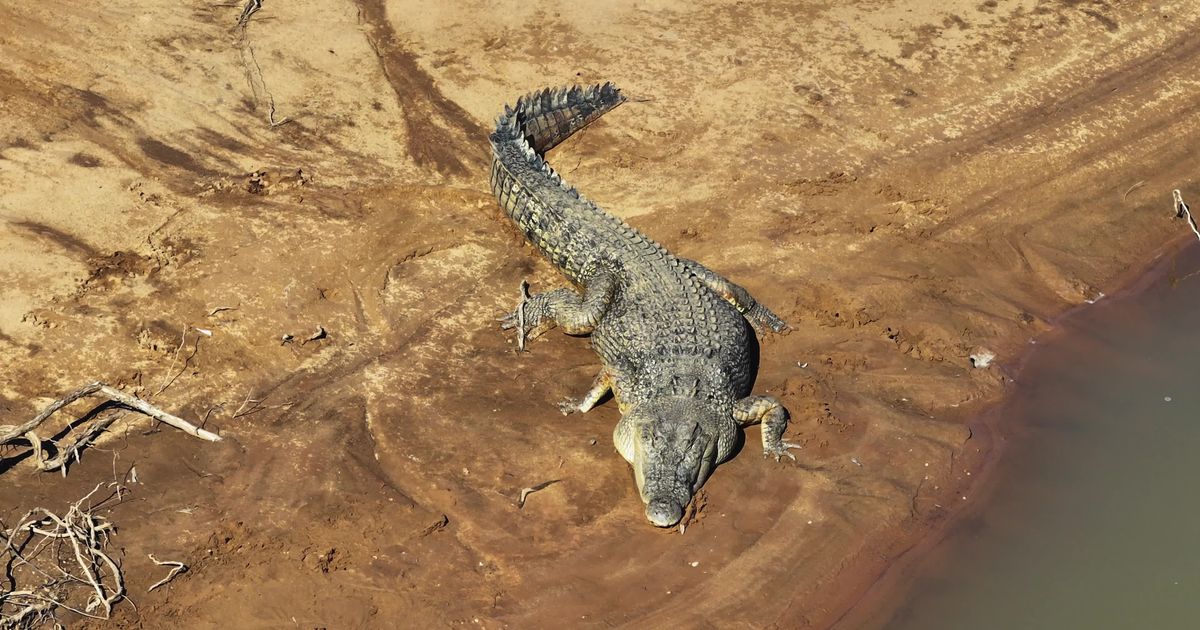
Saltwater Crocodile
Deadly🐊
Freshwater Crocodile
Caution🦅
White-bellied Sea Eagle
Harmless🐦
Jabiru (Black-necked Stork)
Harmless🦜
Red-tailed Black Cockatoo
Harmless🦀
Mud Crab
Caution🐃
Water Buffalo
Dangerous🦘
Antilopine Wallaroo
Harmless🦇
Black Flying Fox
Caution🐜
Magnetic Termites
HarmlessAll Wildlife (16)
About
The world's largest living reptile and the Territory's apex predator. Present in every waterway in the Top End, including the ocean.
Safety
NEVER swim in unmonitored waterways. Stay 5m from water's edge. Never clean fish at the bank. Crocs can launch from the water in milliseconds.
Fun Fact
A saltie can hold its breath for over an hour and has the strongest bite force of any animal — 3,700 PSI.
About
Smaller and more timid than salties. Narrow snout. Generally not dangerous but can bite if provoked or stepped on.
Safety
Safe to swim near in croc-monitored areas like Katherine Gorge. Don't approach or feed them.
Fun Fact
Freshies can gallop on land at up to 18km/h — faster than most people can run.
About
Despite the name, it's actually a black snake species. Delivers large amounts of venom. Common across the Territory.
Safety
Watch where you step. Wear closed shoes in bush. If bitten: pressure bandage, don't wash, call 000.
Fun Fact
Produces more venom per bite than almost any other Australian snake — up to 150mg.
About
The world's most venomous snake. Extremely shy and rarely encountered. Changes colour seasonally — darker in winter.
Safety
Extremely reclusive. Leave it alone and it will leave you alone. No recorded deaths from this species.
Fun Fact
One bite contains enough venom to kill 100 adult humans — but it's so shy that encounters are incredibly rare.
About
The NT's most iconic reptile — featured on the old Australian 2-cent coin. Displays its spectacular frill when threatened.
Safety
Completely harmless. If you see one, enjoy the show!
Fun Fact
Can run on its hind legs at up to 30km/h — one of the funniest sights in the bush.
About
Majestic raptor often seen soaring over Darwin Harbour and river systems. Catches fish with spectacular diving strikes.
Safety
No danger. Observe from a distance, especially near nests.
Fun Fact
Mates for life and builds the same nest year after year — some nests weigh over 400kg.
About
Australia's only stork. Tall, elegant, with a spectacular iridescent neck. Often seen wading through shallow water hunting fish.
Safety
No danger. Can be approached cautiously for photography.
Fun Fact
The only stork species native to Australia. Males have dark eyes, females have yellow eyes.
About
Striking black cockatoo with bright red tail panels. Travels in noisy flocks. One of the most beautiful Australian birds.
Safety
No danger. Don't feed — seeds only.
Fun Fact
Can live over 50 years. The female's tail panels are yellow-orange, not red.
About
The Territory's most prized sportfish. Silver, powerful, and spectacular to catch. Changes sex from male to female at around 3-4 years old.
Safety
Beware of crocodiles when fishing — NEVER wade in NT waterways.
Fun Fact
All barramundi start life as male, then change to female at around 80cm. Your big barra is definitely a girl.
About
Highly prized eating crab. Found in mangrove-lined creeks. Powerful claws can break fingers.
Safety
Handle with care — use tongs. Only take males (check flap shape). Minimum size 140mm. Bag limit: 10 per person.
Fun Fact
A large mud crab's claw can exert 150kg of force — enough to crush a human finger.
About
Introduced from Asia in the 1800s. Now feral across the Top End. Can be aggressive, especially lone bulls.
Safety
Keep distance. Don't approach. If charged, get behind a tree or vehicle. Particularly dangerous on roads at night.
Fun Fact
The NT buffalo population was once estimated at 350,000. The 'Buffalo Wars' of the 1980s culled most of them.
About
The Top End's most common large kangaroo. Reddish-tan colour, elegant build. Often seen at East Point Reserve at dusk.
Safety
Don't approach or feed. Watch for them on roads at dusk — major collision risk.
Fun Fact
Unlike other kangaroos, antilopines are found only in the monsoonal tropics of northern Australia.
About
Huge fruit bats that form colonies of thousands in Darwin's parks. Watching them take flight at dusk is an unforgettable NT experience.
Safety
Don't touch — can carry Lyssavirus (rabies-like). Watch from a distance. The dusk flyout is spectacular.
Fun Fact
A single colony at the Darwin Botanic Gardens can number over 200,000 animals.
About
Found only in Australian waters. Nests on NT beaches. Watching hatchlings make their way to the ocean is magical.
Safety
Don't approach nesting turtles. Don't use torches or flash photography. Keep beaches clean.
Fun Fact
Flatback turtles are endemic to Australia — the only sea turtle species found nowhere else on Earth.
About
One of the world's most venomous creatures. Transparent and nearly invisible in the water. Stings cause excruciating pain and can be fatal.
Safety
DO NOT swim in the ocean Oct-May without a stinger suit. Pour vinegar on stings. Call 000 immediately.
Fun Fact
Has 24 eyes, including some that can form images. Scientists believe they can see in colour.
About
Build tall, flat mounds perfectly aligned north-south to regulate internal temperature. A marvel of insect engineering.
Safety
Don't damage mounds. Stay on boardwalk at viewing sites.
Fun Fact
Each mound contains up to 1 million termites and can take decades to build. The engineering is more sophisticated than most human buildings.