Best National Parks in the Northern Territory
The Northern Territory's national parks are among the most spectacular in the world — from Kakadu's UNESCO-listed wetlands to Uluru's sacred red desert. Most are completely free to enter.
12 locations · Featured first, then closest to Darwin · Updated September 2026
1
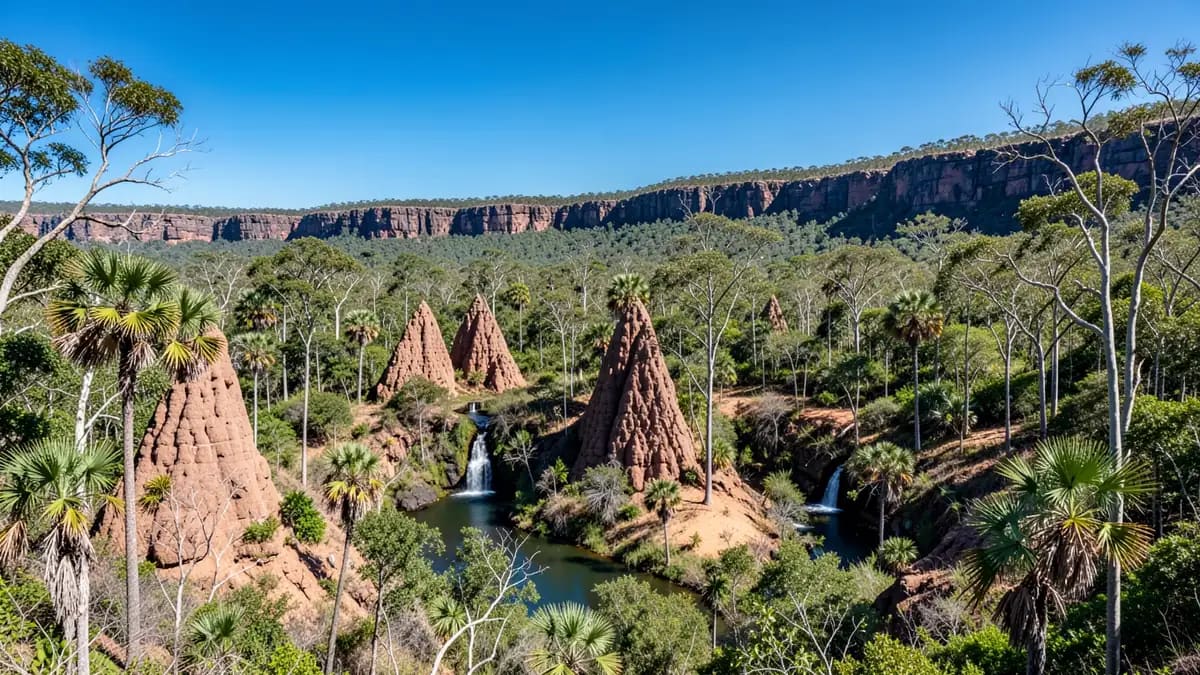
Litchfield National Park
The Territory's most accessible national park featuring magnetic termite mounds, monsoon rainforest, and some of the Top End's best swimming holes. Florence Falls, Wangi Falls, and Buley Rockhole are iconic destinations.
109km1h 45minFree
2
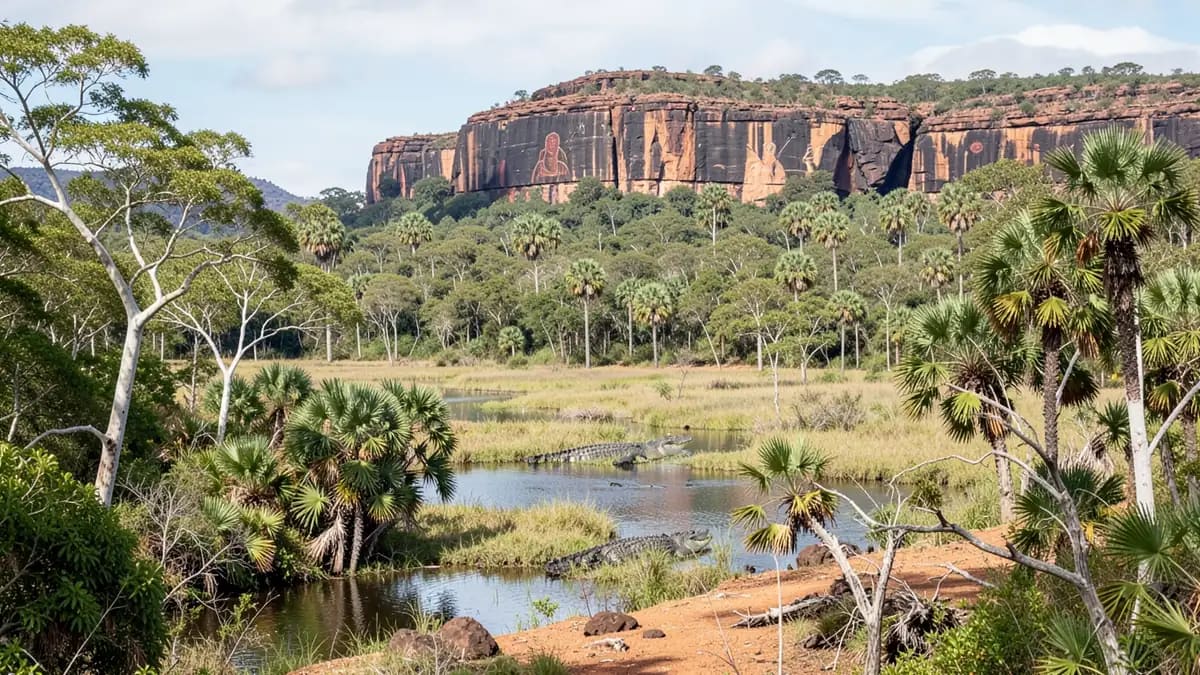
Kakadu National Park
Australia's largest national park covering 20,000 km² of wetlands, sandstone escarpments, and Aboriginal rock art dating back 20,000+ years. Dual UNESCO World Heritage listing for both natural and cultural values. Home to one-third of Australia's bird species, saltwater crocodiles, and over 10,000 insect species.
171km2h 30minFree (park pass)
3
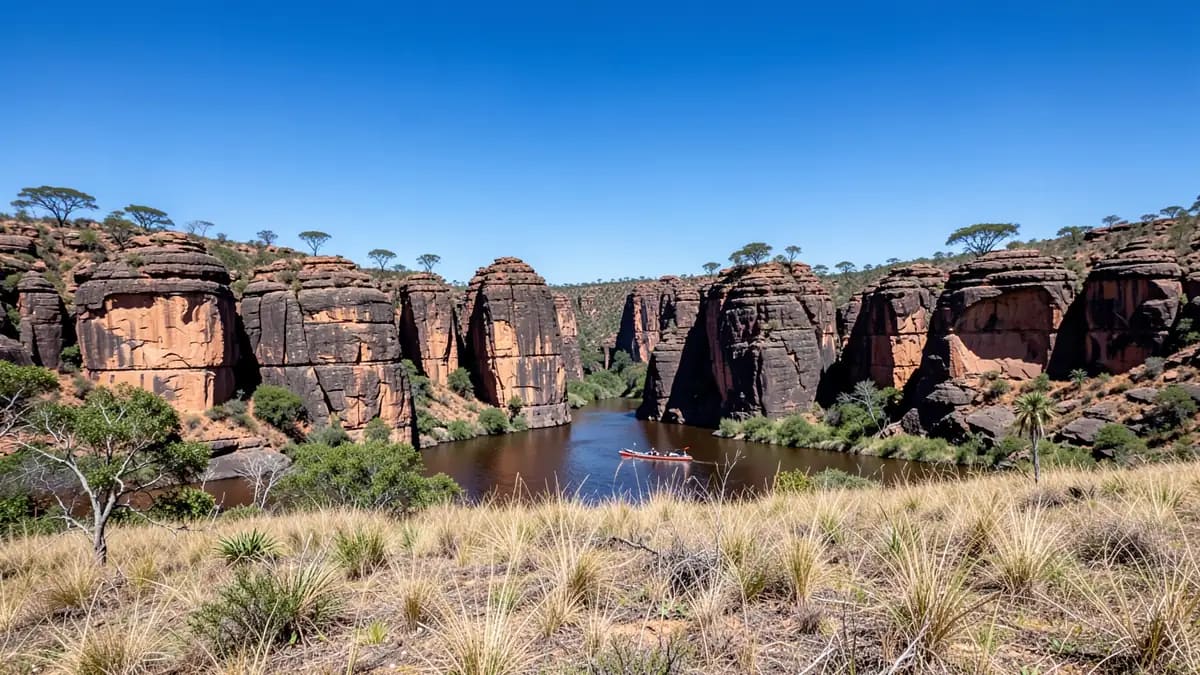
Nitmiluk (Katherine Gorge)
Thirteen stunning sandstone gorges carved by the Katherine River over 23 million years. Paddle, cruise, walk, or helicopter over one of Australia's most spectacular natural formations. Jawoyn Country.
312km3h 30minFree (cruises/canoe hire extra)
4

Devils Marbles (Karlu Karlu)
Giant granite boulders balanced precariously across the landscape — some perched impossibly on tiny contact points. Sacred to the Warumungu, Kaytetye, Alyawarra and Warlpiri peoples. Stunning at sunrise and sunset.
1064km11hFree
5
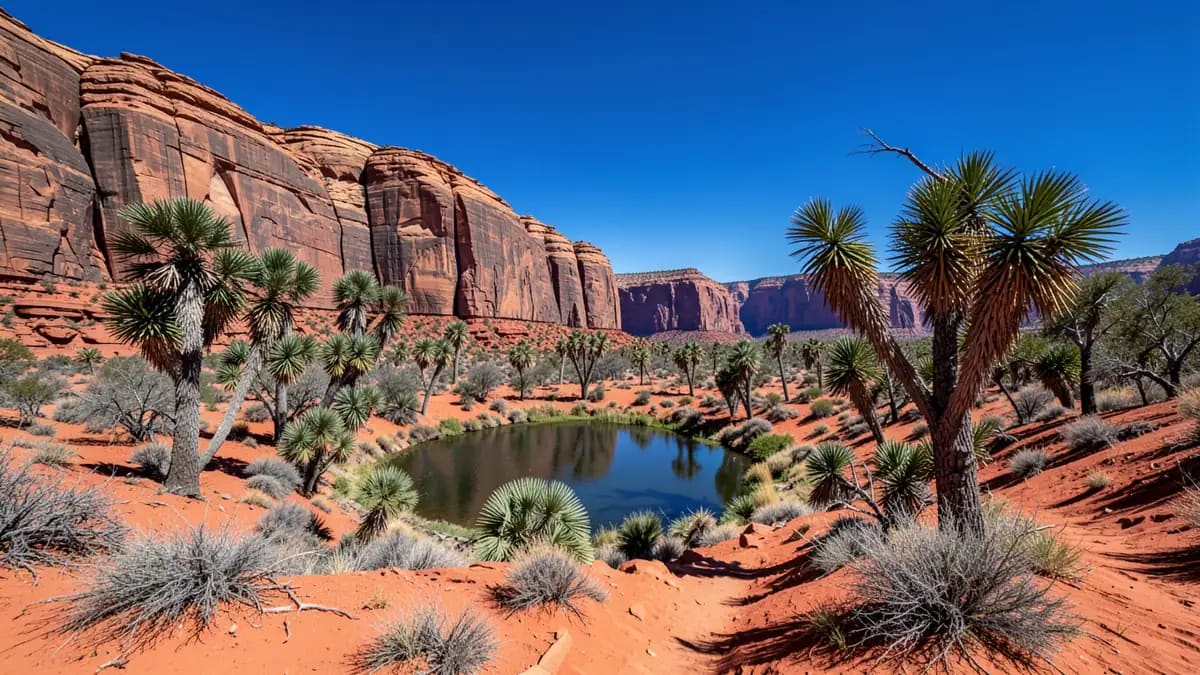
Kings Canyon (Watarrka)
The Rim Walk is one of Australia's great short walks — towering 100m sandstone walls, the Garden of Eden permanent waterhole, and vast desert views. Ancient cycad palms create an otherworldly atmosphere.
1620km15h (fly to Alice Springs + drive 4.5h)Free
6

Uluru-Kata Tjuta National Park
Australia's spiritual heart. Uluru rises 348m above the desert plain — a site of profound cultural significance for the Anangu people. Kata Tjuta (The Olgas) offers equally stunning walks through 36 ancient domed rock formations.
1943km20h (fly recommended)$38/adult (3-day pass)
7

Bicentennial Park
Stretching along Darwin's Esplanade overlooking the harbour, this park is a memorial to Darwin's WWII bombing. Walking paths through tropical gardens with interpretive signs, war memorials, and cenotaph. Spectacular harbour views. Free. Start point for the Darwin Bombing Trail walk.
1km5 min
8

George Brown Darwin Botanic Gardens Amphitheatre
An outdoor amphitheatre within the Darwin Botanic Gardens used for concerts, film screenings, and cultural events. The Darwin Open Air Cinema operates here seasonally, screening current release films under the stars. Darwin's outdoor event scene — concerts, cinema, and markets — is concentrated around the Botanic Gardens precinct and defines the city's dry season lifestyle.
2km2 min
9
Darwin Botanic Gardens
A 42-hectare tropical garden established in 1879, featuring over 1,500 tropical plant species including baobabs, palms, mangroves, and monsoon vine forest. The garden hosts outdoor concerts, weddings, and the Darwin Open Air Cinema. Free entry. The sensory garden and rainforest walk are highlights. Darwin Botanic Gardens is one of the oldest institutions in the NT. The baobab avenue and monsoon forest section feel like genuine wilderness inside the city.
2km2 min
10

Fannie Bay Darwin
A sheltered bay on the western side of Darwin's peninsula, flanked by the Darwin Museum, Fannie Bay Gaol (historic prison site), and a pleasant walking path. The Fannie Bay foreshore is popular for picnics and watching Darwin Harbour activity. Fannie Bay Gaol, one of Darwin's most historic buildings, overlooks the bay. The waterfront path is Darwin's most complete seaside promenade.
4km3 min
11
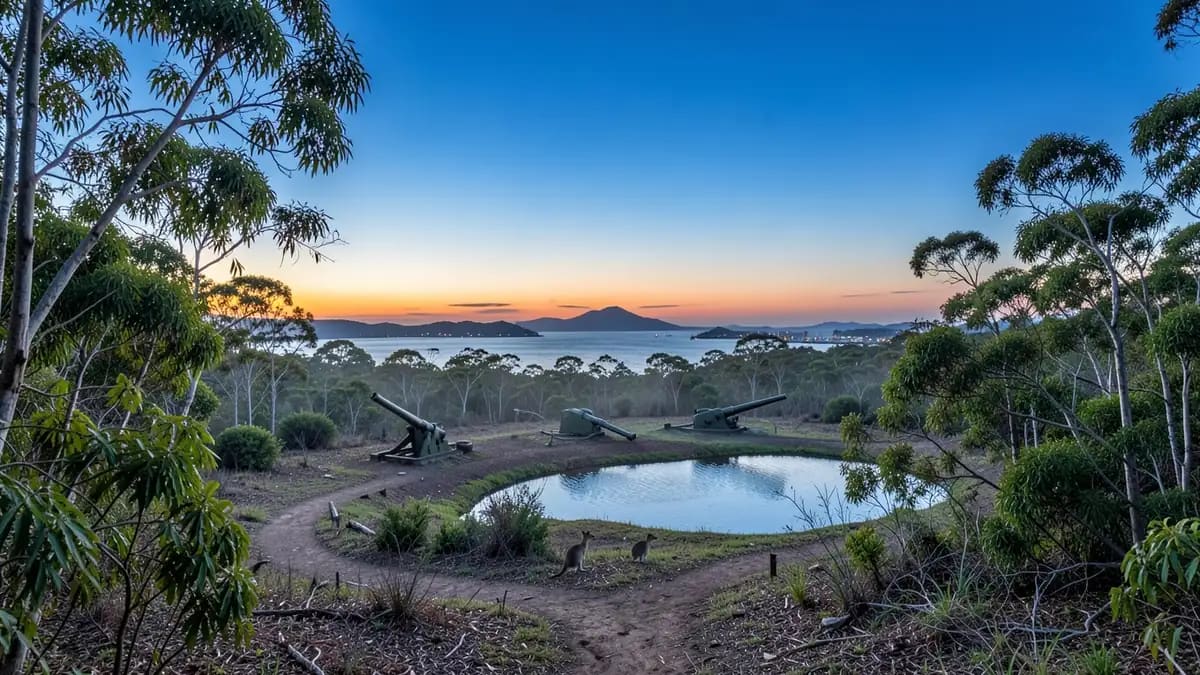
East Point Reserve Darwin
A 197-hectare coastal reserve on the Darwin peninsula with walking trails, a small freshwater lake (Lake Alexander — one of Darwin's only safe freshwater swimming spots), WWII gun batteries, wallaby spotting at dusk, and exceptional sunset views over the Timor Sea toward Darwin Harbour. East Point Reserve has the best WWII coastal fortifications in Darwin and is the most reliable place to see wallabies feeding at dusk within the city limits.
7km5 min
12

Jingili Water Gardens
A hidden gem in Darwin's northern suburbs — lily ponds, fountains, walking paths, and lush tropical gardens along Rapid Creek. Peaceful escape from the city. Free entry. Popular for photography, picnics, and morning walks. Birdlife includes kingfishers and egrets.
9km12 min